On Working with Coffee
To set constraints. Albert Coffee Roasters has no popular cake placed neatly beside the counter, no comfortable seats prepared for a long stay, and no fine sandwich waiting to be chosen.
As marketing, this is a complete failure.
Yet we decided that by setting constraints, we could sharpen the precision and force of coffee to their limit. By creating an intentionally inconvenient condition, we force ourselves to concentrate on coffee alone.
The Origin of Albert Coffee Roasters
The “Albert” in Albert Coffee Roasters comes from Albert Einstein.
If I replace my grinder with an expensive one, I feel as though the coffee has become better.
Hand drip is the best way to brew coffee.
Is that true?
Which part, exactly, became better?
And what does “best” even mean?
In Japan, the world of coffee easily becomes a world of manners, forms, and proper gestures.
To take such statements and give them theory through scientific perspective and numbers. That impulse is part of our beginning.
Do Not Obsess. Do Not Fixate.
Some roasters have facilities like laboratories. Albert Coffee Roasters is an application of theoretical physics.
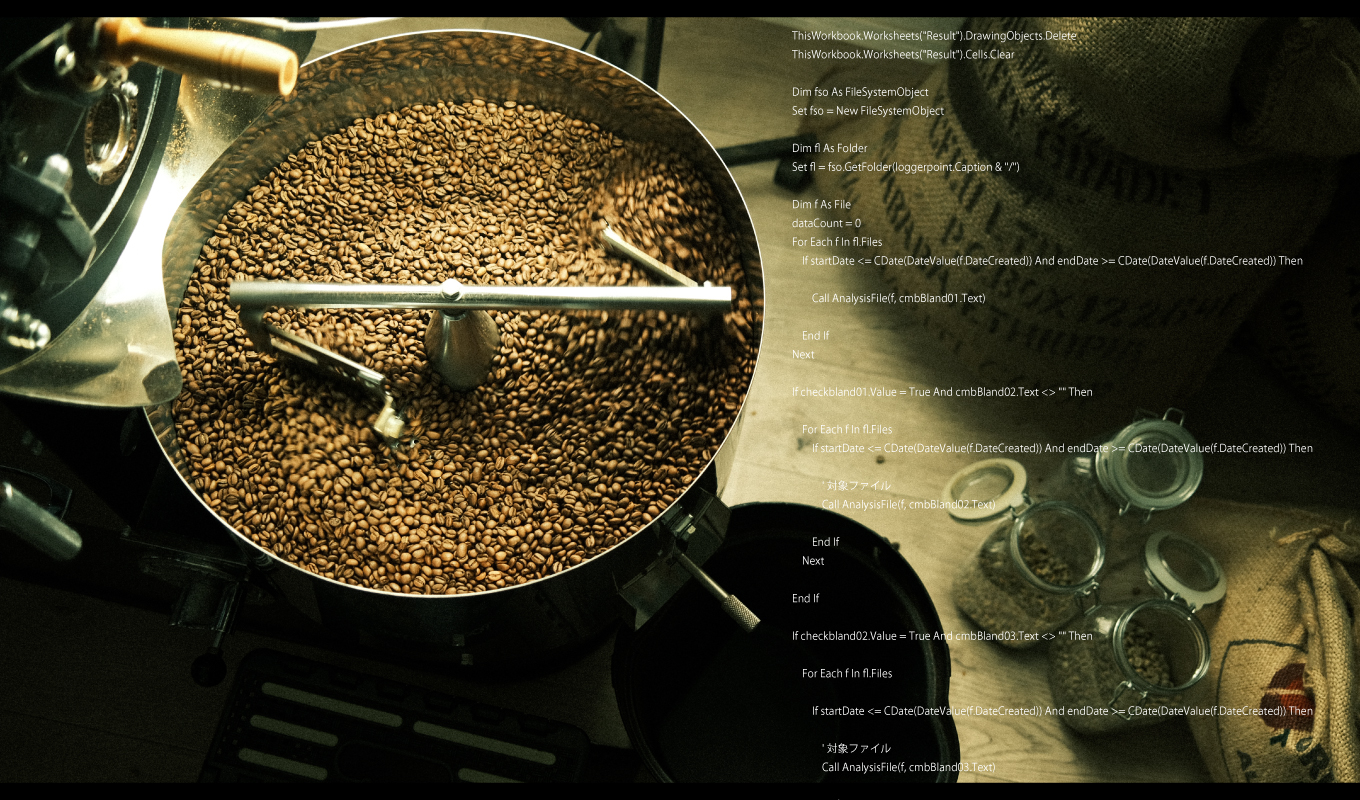
We make use of known experimental facts and data, bring mathematics and science into the roasting process, and visualize rate of temperature rise, points of arrival, chemical reactions, and the resulting taste.
One of our ideas is not to be particular.
In Japan, the word kodawaru is often used as praise. But let us index the word in Kojien, a Japanese dictionary.
The first definition that appears is “to care about a trivial matter more than necessary.”
To be particular is also to possess a fixed concept. We doubt common sense constantly, and we keep a style that approaches things flexibly. We build original theories and repeat the work of verification.
Coffee, Science, and Art
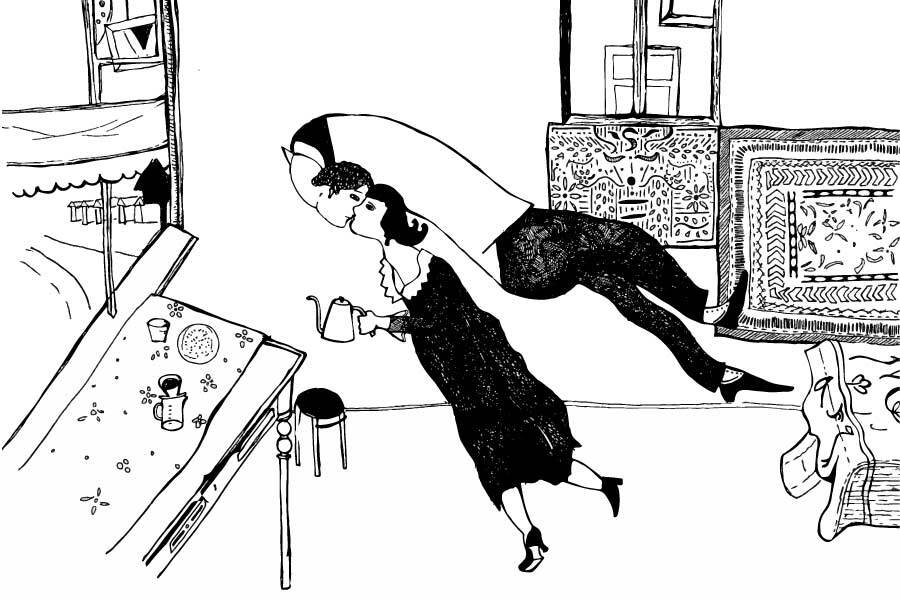
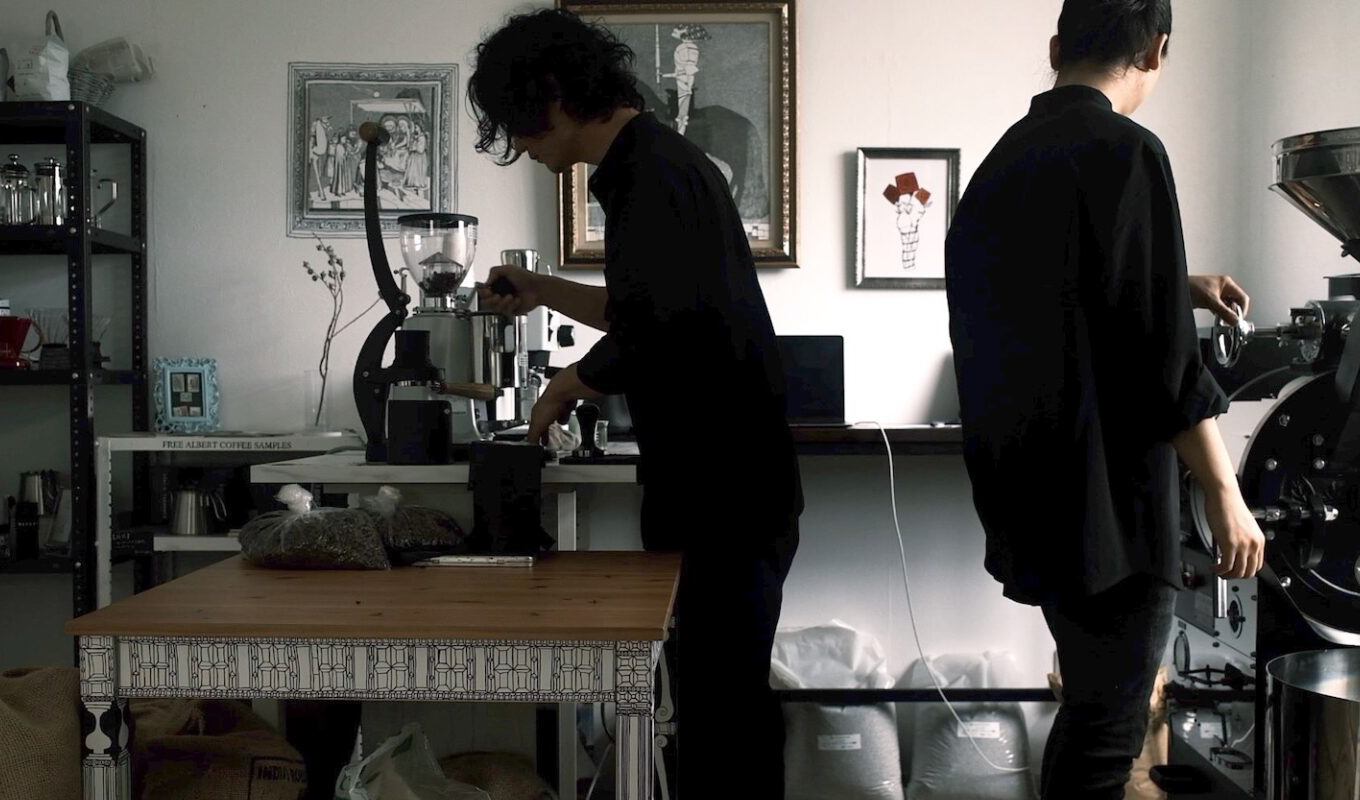
The two people of Albert Coffee Roasters have a deep concern with art, and met through photography and painting.
Coffee, science, and art may seem to have no lineage, no pulse, no reason to stand next to one another.
Yet by understanding these things deeply, we can convey the world of coffee to our customers in a comparatively clear way.
Coffee, being a thing of taste, resembles painting, which is also pulled around by preference.
To judge value not by preference, but to distinguish good from poor, requires cultivation.
Why can a Van Gogh painting be valued at five billion yen?
Is good coffee good because many people support it?
Is what I like always correct?
Such sermons are repeated at Albert Coffee Roasters.
In European Cafeterias
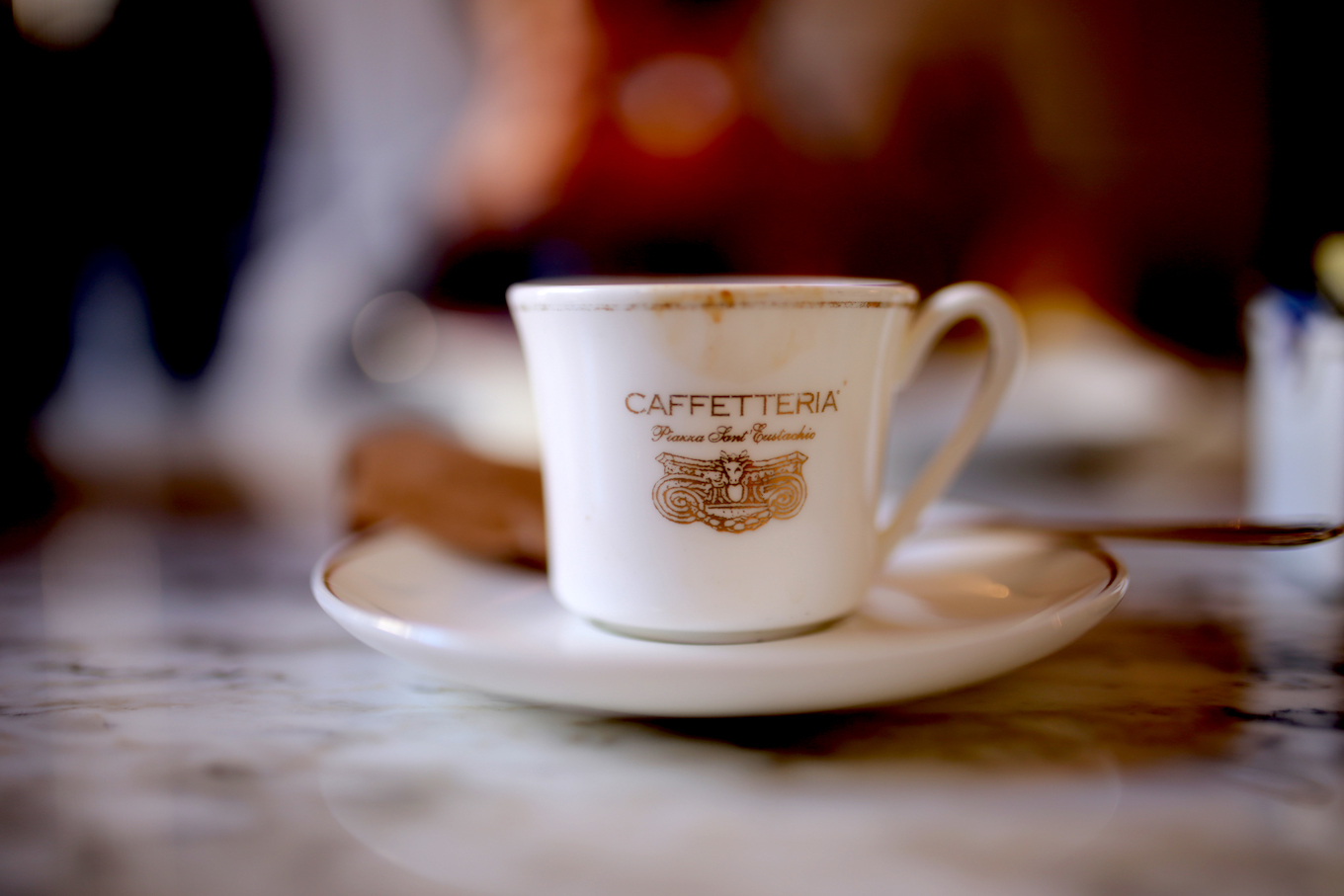
Many roasters travel around coffee-producing regions. Perhaps they are searching for special materials, or for routes of trade that belong only to them.
We did not find our value there.
It is difficult for us to visit more producing regions than a trading-company salesperson. There is also danger in going somewhere and believing that one has come to know it.
Instead, we sought value in seeing how coffee is served in consuming countries, what kind of culture and food surround it, and where coffee finally arrives.
Over several trips, we backpacked through more than thirteen countries in Europe. The number of countries itself is not especially large. But to live there for a time through the eyes of coffee and art was, for us as roasters, a rare experience.
Why is espresso espresso?
The French café.
The tea culture of Britain.
We drew out our own answers, the kind that do not appear by staying only in Japan.
Albert Coffee Roasters as a Roastery
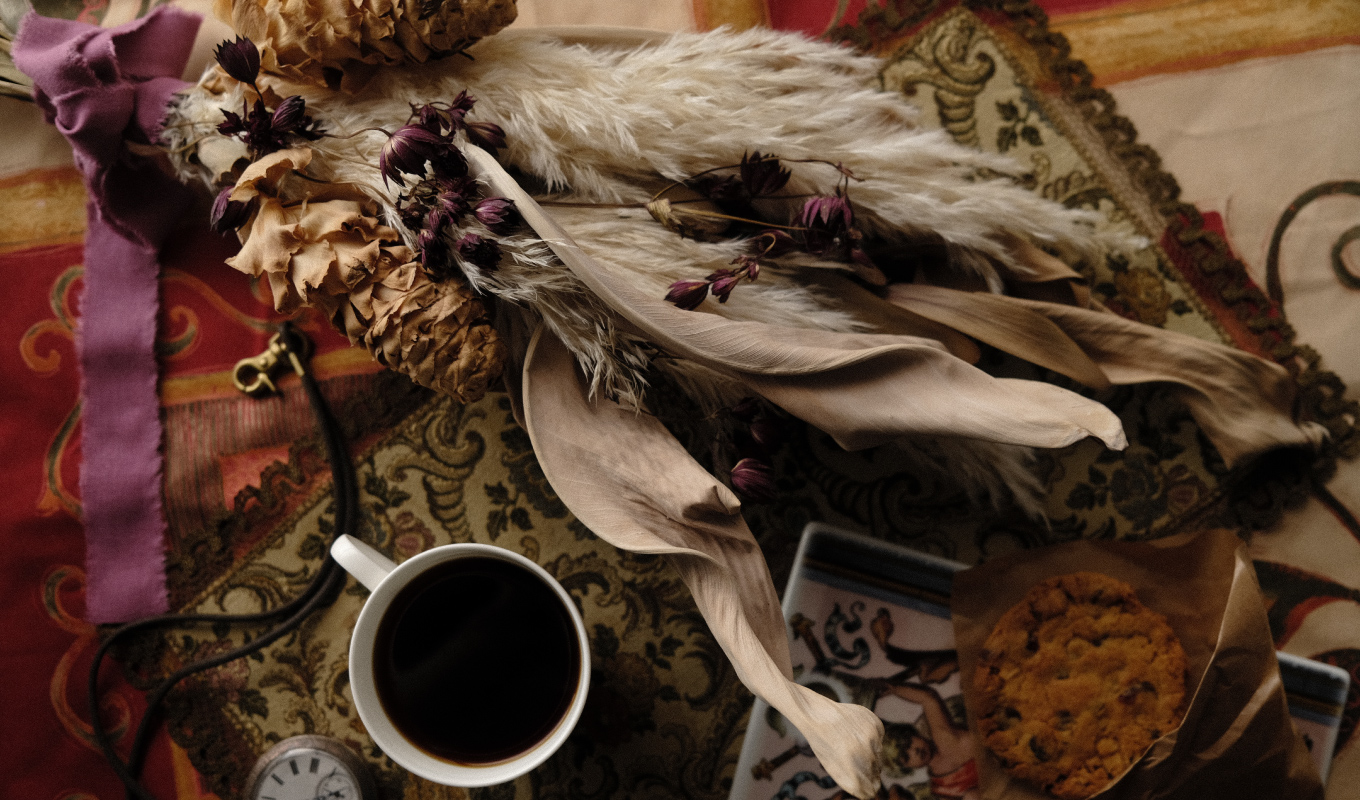
We are often asked: Why did you build it in a place like this?
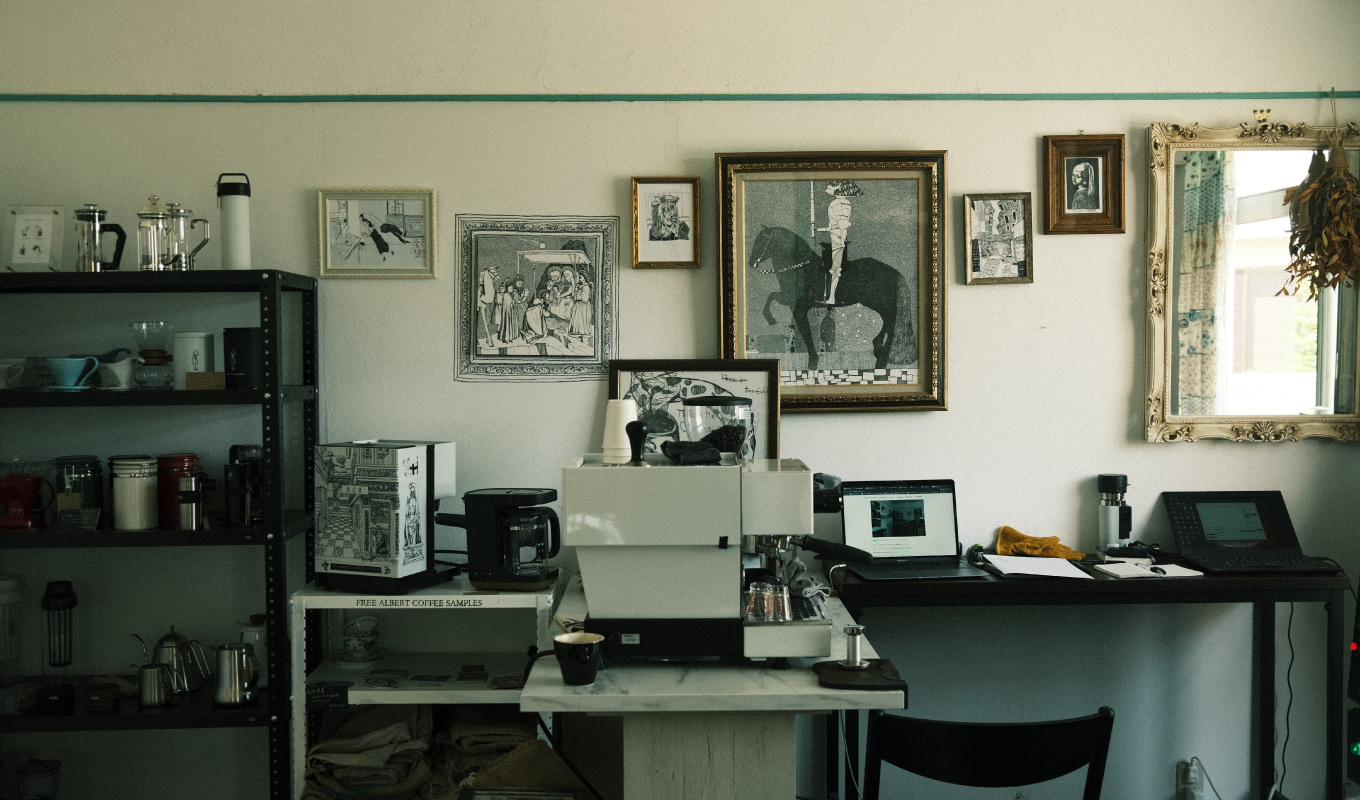
Albert Coffee Roasters exists quietly in the middle of a residential area. We found the present property while riding a train in Tokyo. Only when we signed the contract did we first come to know this building and this land.
It was a fifty-year-old house that had been vacant for twenty years.
What mattered to us was whether we could place the chimney wherever we needed, because the exhaust system governs the taste of coffee. It mattered that there was nature.
And, looking toward future employment for people who have difficulty working and for single-mother households, it mattered that the place would not have its sales controlled by pedestrian traffic.
Therefore, perhaps you can understand why Albert Coffee Roasters is here, and why there is no café attached to it.
Everything must be advanced theoretically.
On Specialty Coffee
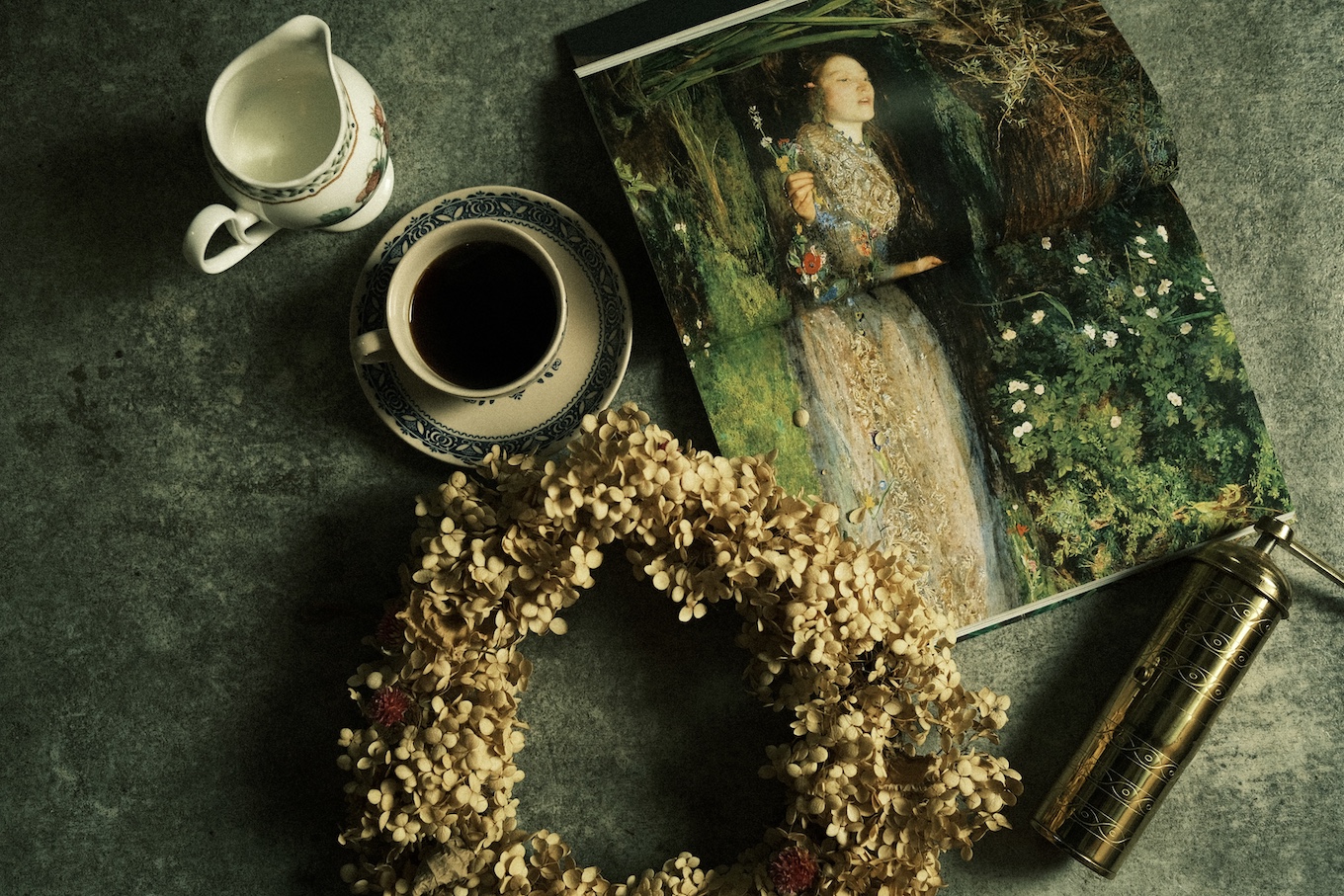
There is no single absolute definition, but coffee that clears a quality standard said to represent roughly five percent of world production is often called specialty coffee.
Yet the word has become hollowed out, and only the word itself is skillfully used for commerce.
Rather, words such as “single farm” or “fair trade,” when their essence is lost, become tools: language used to decorate the deliciousness of coffee.
In truth, we do not much want to use the words “specialty coffee.”
For the time being, please leave somewhere in a corner of your mind that we are a roastery using good coffee as a matter of course: coffee that is gentle to people, to nature, and to economic activity.